
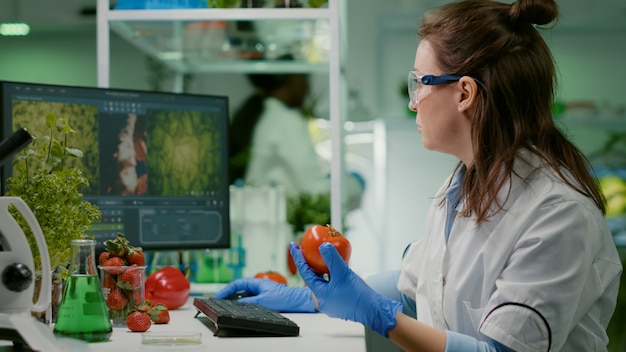
The culinary landscape is undergoing a remarkable transformation, driven by breakthroughs in food science advancements that are reshaping the way we cook and eat. What was once considered an art of tradition is now being revolutionized by technology, precision, and innovative techniques. These cooking innovations are not only redefining recipes but are also setting the stage for a new era of gastronomic creativity where science and flavor coexist harmoniously.
A Fusion of Tradition and Technology
In recent years, the convergence of traditional culinary methods and modern science has given rise to innovative cooking trends that promise to transform everyday meals into extraordinary experiences. Chefs and home cooks alike are increasingly embracing technology to enhance texture, flavor, and nutritional value. By applying scientific principles to food preparation, enthusiasts are discovering that even the most classic recipes can be elevated with a touch of experimentation. This synergy of art and science is paving the way for future cooking with science, a movement that aims to harness data, research, and advanced techniques to produce dishes that are both delicious and nutritionally optimized.
Molecular Gastronomy: The Cutting Edge
One of the most talked-about aspects of food science advancements is molecular gastronomy. This innovative field uses chemical and physical transformations to create new textures and flavor experiences. Techniques such as spherification, foam creation, and the use of liquid nitrogen have allowed chefs to deconstruct traditional dishes and reimagine them in exciting new forms. Imagine a dessert where flavors burst like tiny spheres of concentrated essence or a savory dish transformed into a light, airy foam that carries the aroma of its ingredients with every bite. These cooking innovations are not only visually captivating but also challenge our conventional understanding of taste and texture.
Precision and Nutrition: The Science of Optimal Cooking
Another pivotal development in modern cooking is the focus on precision and nutrition. Innovative cooking trends now incorporate precise temperature control, sous-vide techniques, and even 3D food printing to ensure that each ingredient is cooked to perfection. Sous-vide, for instance, allows for exact temperature regulation, ensuring that meats remain tender and vegetables retain their vibrant colors and essential nutrients. This precision is critical for achieving the ideal balance of flavor and texture, leading to dishes that are both delectable and health-conscious.
Nutrition is also at the forefront of food science advancements. Researchers are continuously exploring ways to preserve vitamins and minerals during the cooking process, leading to methods that enhance the nutritional profile of meals. Techniques such as minimal water cooking, pressure cooking, and the strategic use of antioxidants are revolutionizing how we approach healthy eating. These innovations not only optimize the health benefits of our food but also contribute to the evolution of future cooking with science, where every meal is designed to nourish the body and delight the palate.
Sustainable and Eco-Friendly Culinary Practices
Sustainability is another critical aspect of modern culinary science. With growing concerns about environmental impact, many cooking innovations are focusing on sustainability by reducing waste and enhancing energy efficiency in the kitchen. Advances in food preservation, such as vacuum sealing and controlled atmosphere storage, allow ingredients to maintain their freshness longer, reducing food waste significantly.
Moreover, eco-friendly cooking techniques—such as solar cooking and the use of energy-efficient appliances—are becoming increasingly popular. These methods not only lower the carbon footprint of meal preparation but also inspire a more mindful approach to cooking and consumption. The integration of sustainable practices is a testament to how food science advancements can drive both innovation and environmental stewardship, ensuring that the culinary arts evolve in harmony with our planet’s needs.
The Digital Transformation of Culinary Arts
The digital revolution has also played a significant role in shaping the future of cooking. Today, smart kitchen devices, connected appliances, and innovative mobile apps provide instant access to vehicle info for recipes, nutritional data, and cooking techniques. These tools allow home chefs to monitor cooking processes in real-time, adjust parameters remotely, and even receive personalized recipe recommendations based on dietary preferences.
Digital platforms and online communities have become invaluable resources for sharing innovative cooking trends and cooking innovations. From video tutorials to interactive webinars, technology has democratized culinary knowledge, making advanced techniques accessible to anyone with an internet connection. This fusion of digital technology and traditional cooking is paving the way for future cooking with science, where every recipe is a blend of art, data, and creativity.
The Role of Research and Collaboration
At the heart of these transformative changes is robust research and collaboration between chefs, scientists, and technologists. Culinary institutes and food laboratories are now at the forefront of food science advancements, conducting experiments that explore new flavor combinations, preservation techniques, and sustainable practices. Collaborations between universities, research institutions, and leading chefs have given rise to a new era of experimental cuisine that challenges conventional wisdom and redefines the culinary experience.
These collaborative efforts have resulted in innovations that enhance both the sensory and nutritional aspects of food. By understanding the chemical composition of ingredients and how they interact during cooking, researchers can develop cooking innovations that elevate everyday meals into extraordinary experiences. This ongoing dialogue between science and cuisine is instrumental in shaping innovative cooking trends that are set to dominate the culinary landscape in the coming years.
Consumer Impact and Future Prospects
The influence of these advancements is profound, not only for professional chefs but also for home cooks. The democratization of food science advancements means that anyone can experiment with cutting-edge techniques and bring restaurant-quality dishes to their own kitchen. As these innovations continue to permeate the culinary world, they promise to make cooking more accessible, efficient, and enjoyable.
In the future, we can expect a further integration of technology and science in the kitchen. With ongoing developments in artificial intelligence, augmented reality, and personalized nutrition, future cooking with science will likely become even more tailored to individual preferences and lifestyles. This evolution will empower consumers to create meals that are not only flavorful and nutritious but also precisely calibrated to meet their dietary needs and health goals.
The evolution of cooking through food science advancements is a testament to human ingenuity and the endless quest for perfection. By harnessing cooking innovations and embracing innovative cooking trends, chefs and home cooks alike are transforming the culinary landscape into a vibrant, dynamic field where art and science converge. The future of cooking is here, and it is marked by precision, sustainability, and boundless creativity.
Understanding the interplay between technology, nutrition, and sustainability is key to unlocking a new era of culinary excellence. With access to future cooking with science, you can elevate every meal, turning routine cooking into an extraordinary experience. Embrace the transformative power of these innovations, and enjoy the journey of culinary exploration that saves time, enhances flavor, and redefines what it means to cook in the modern age.


More Stories
The Secret Science Behind Your Favorite Comfort Foods
Exploring the Hidden Science Behind the World’s Most Iconic Dishes
The Science Behind the Perfect Crunch: Decoding Food Texture