
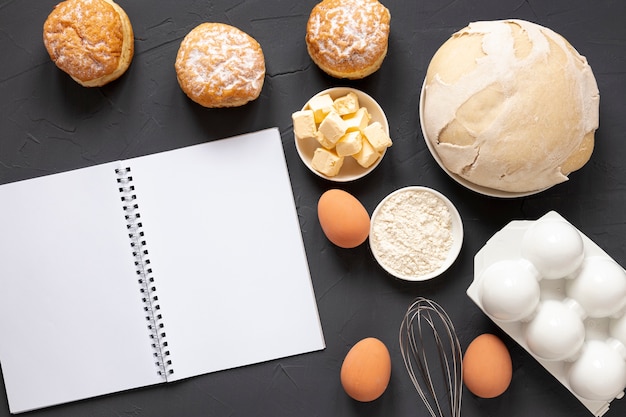
Baking is both an art and a science. Behind the delightful aroma of freshly baked bread or the delicate crumb of a cake lies a realm of chemical reactions and precise techniques. By embracing the principles of baking with science, you can elevate your creations and unlock a world of flavor and texture that might otherwise remain hidden.
The Chemistry Behind Your Favorite Treats
At the core of every successful baked good is the science of baking. Flour, water, fat, and leavening agents interact in ways that transform a simple mixture into an intricate structure. When water hydrates flour, gluten proteins form a network that gives bread its chewy texture. Even minor changes in ingredient ratios or mixing times can have a significant impact on the final product. Understanding these processes allows you to tweak recipes and achieve consistent results every time.
For example, consider the role of yeast in bread-making. Yeast consumes sugars and produces carbon dioxide through fermentation, causing the dough to rise. This reaction is not only essential for volume but also influences the flavor profile of the finished loaf. Harnessing the power of baking with science means recognizing that every ingredient has a specific function and that their interactions can be manipulated to produce extraordinary results.
Precision in Temperature and Timing
Temperature control is paramount in baking. Whether you are creating a delicate sponge cake or a hearty loaf of bread, maintaining the correct temperature can mean the difference between a perfect bake and a disappointing result. High temperatures can expedite the Maillard reaction, which imparts a beautifully browned crust and complex flavor to baked goods. Conversely, too much heat might cause a cake to set prematurely, leading to a dense texture.
Similarly, the timing of each step is crucial. Allowing the dough to rest and ferment properly can enhance the depth of flavor and improve the structure. Integrating baking technique tips such as precise temperature adjustments and controlled rising periods can help you understand what happens at every stage. This scientific approach enables you to fine-tune your process, ensuring that every batch is as delectable as the last.
The Role of Leavening Agents
Leavening agents, such as baking powder, baking soda, and yeast, play an essential role in creating light and airy textures. Each of these agents works differently. Baking soda requires an acid to activate, producing carbon dioxide bubbles that expand the dough. In contrast, baking powder contains both an acid and a base, making it more versatile in recipes that lack acidic ingredients.
By diving into the science of baking, you learn that the balance of these agents is critical. An excess can cause a baked good to collapse, while too little can leave it dense and under-risen. Experimenting with different leavening agents and understanding their interactions with other ingredients can help you improve baking with science. The outcome is not merely about achieving the perfect rise; it’s about orchestrating a symphony of chemical reactions that results in a harmonious texture and flavor.
Embracing the Uncommon: Fermentation and Emulsification
Fermentation is one of the most fascinating aspects of food science. It is not just reserved for bread or beer; fermentation can enhance a variety of baked goods. When you allow dough to ferment slowly, enzymes break down complex starches into simpler sugars. This not only improves flavor but also enhances digestibility. Techniques such as sourdough fermentation offer a glimpse into how traditional methods can be integrated with modern baking technique tips to create products with a distinct tang and improved nutritional profile.
Emulsification, though often associated with sauces and dressings, also plays a role in baking. When you mix fat and water-based ingredients, achieving a stable emulsion can result in a smoother, more consistent batter. This subtle process is one of the many wonders of baking with science that elevates your creations, ensuring that every bite has the perfect balance of moisture and flavor.
Optimizing Your Recipe Through Experimentation
One of the most empowering aspects of understanding the science of baking is that it turns every recipe into a canvas for experimentation. Armed with knowledge of chemical reactions and ingredient functions, you can adjust recipes to suit your taste and dietary needs. Perhaps you want to reduce sugar without sacrificing flavor, or maybe you’re curious about how alternative flours impact texture and rise. Scientific insight provides a roadmap for these adjustments, allowing you to experiment confidently and innovate in the kitchen.
For instance, by experimenting with different hydration levels, you can influence the gluten network formation, resulting in a chewier crust or a more tender crumb. Small tweaks, informed by a deep understanding of baking technique tips, can have profound effects on the final product. This iterative process of experimentation is at the heart of culinary innovation and allows you to improve baking with science in ways that are both creative and methodical.
Bringing It All Together
The intersection of culinary art and scientific inquiry is where truly exceptional baking is born. By adopting a mindset that appreciates the minutiae of reactions, texture formation, and ingredient interaction, you unlock the potential to create baked goods that are not only delicious but also consistently impressive. This is the transformative power of baking with science—a toolset that turns every mistake into a learning opportunity and every success into a stepping stone for further refinement.
From the careful measurement of ingredients to the precision of oven temperature, every aspect of baking is an opportunity to explore and apply scientific principles. As you continue to experiment and learn, you will discover that even the most complex recipes can be demystified with a methodical approach. The science of baking offers a fascinating journey into the heart of what makes our favorite treats irresistible.
In conclusion, mastering the principles of food science can revolutionize your approach to baking. With each new recipe, you have the chance to experiment, refine, and innovate. Whether you are a novice baker or an experienced pastry chef, the integration of baking technique tips rooted in scientific understanding can elevate your creations to unprecedented heights. Embrace the process, trust the reactions, and most importantly, enjoy the journey of improve baking with science every step of the way.


More Stories
The Secret Science Behind Your Favorite Comfort Foods
Exploring the Hidden Science Behind the World’s Most Iconic Dishes
The Science Behind the Perfect Crunch: Decoding Food Texture