
Achieving weight loss is one thing, but maintaining it for the long haul requires a completely different approach. Fad diets may promise rapid results, but they often lead to frustration, deprivation, and eventual weight regain. The key is to choose the best diet that aligns with your lifestyle, metabolic needs, and long-term goals. A well-balanced plan should prioritize sustainable weight loss, ensuring that results are not just temporary but a lifelong achievement.
The Science Behind Sustainable Weight Loss
Weight loss happens when you consume fewer calories than you burn. However, the quality of those calories, your metabolic rate, and lifestyle factors all play a crucial role in determining how efficiently your body sheds excess weight. The most effective diets focus on a balanced intake of macronutrients, adequate fiber, and nutrient-dense foods while promoting habits that foster long-term healthy eating.
Understanding Your Dietary Needs
Before committing to a diet, consider the following factors:
- Metabolism: Some people burn calories faster than others. Age, genetics, and activity level influence how efficiently your body processes food.
- Lifestyle: A diet should seamlessly fit into your daily routine. Rigid meal plans and overly complex restrictions are often unsustainable.
- Nutritional Balance: Cutting out entire food groups may lead to nutrient deficiencies. A well-rounded diet ensures your body gets essential vitamins and minerals.
Popular Diets for Long-Term Healthy Eating
Not all weight-loss plans are created equal. Some deliver quick fixes with drastic calorie cuts, while others emphasize holistic, long-term healthy eating habits.
1. Mediterranean Diet: The Gold Standard
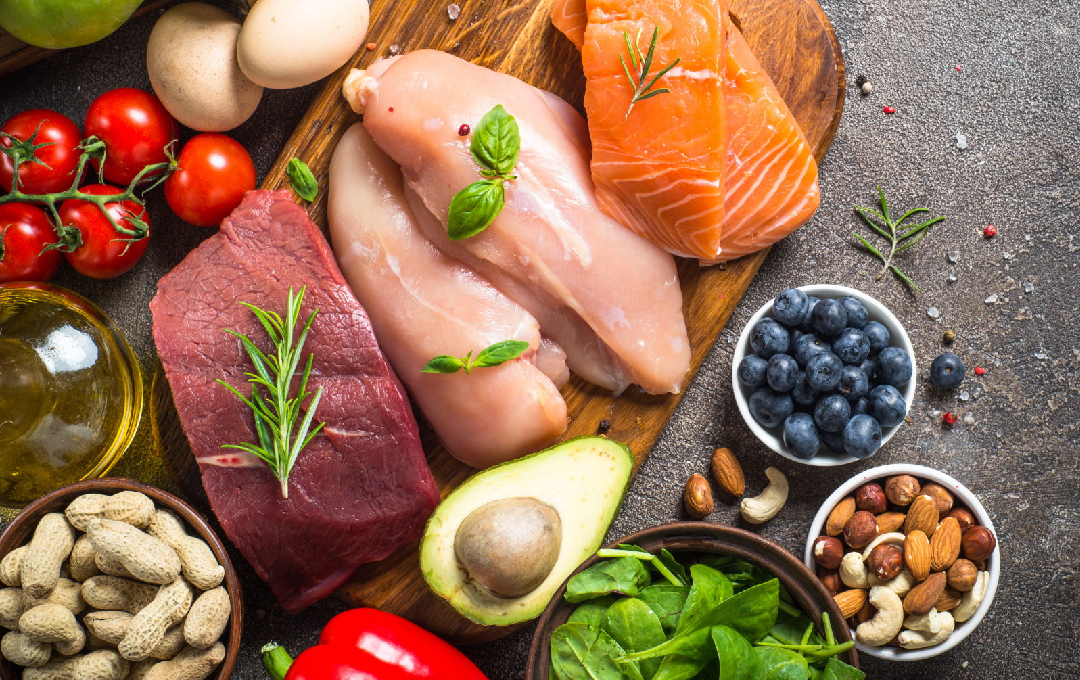
Renowned for its heart-protective benefits, the Mediterranean diet focuses on whole foods, healthy fats, and lean proteins. It is abundant in fresh vegetables, olive oil, nuts, and fish, making it an ideal choice for those seeking sustainable weight loss without extreme restrictions.
2. High-Protein Diet: Satiety and Muscle Preservation
A high-protein approach curbs hunger while preserving muscle mass. Lean meats, eggs, legumes, and dairy products dominate this plan, making it ideal for those aiming to reduce body fat while maintaining lean muscle.
3. Low-Carb or Ketogenic Diet: Fat as Fuel
By significantly reducing carbohydrate intake and increasing healthy fats, the ketogenic diet promotes ketosis, a metabolic state where the body burns fat for energy. While effective for some, it requires strict adherence and may not be the best option for everyone.
4. Plant-Based Diet: Fiber-Rich and Nutrient-Dense
A diet centered around whole, plant-based foods offers numerous benefits, from improved digestion to reduced inflammation. It is an excellent choice for those prioritizing ethical eating, environmental sustainability, and overall health.
5. Intermittent Fasting: Timing Over Restriction
Rather than focusing on what you eat, intermittent fasting emphasizes when you eat. This method regulates insulin levels, encourages fat-burning, and can complement smart diet selection when paired with nutritious meals.
The Role of Smart Diet Selection in Lasting Results
A well-chosen diet should not feel like a short-term fix. Instead, it should seamlessly integrate into your lifestyle and evolve with your changing needs. Smart diet selection involves making informed choices based on evidence, rather than following trends or extreme methods. Here’s how to evaluate whether a diet is right for you:
- Sustainability: Can you see yourself following this eating pattern a year from now?
- Flexibility: Does it allow for variety and occasional indulgences?
- Nutrient Density: Does it provide essential vitamins, minerals, and fiber?
- Energy Levels: Do you feel nourished, energized, and mentally sharp?
Practical Tips for Lasting Weight Management
Regardless of which diet you follow, implementing sustainable habits is essential for long-term success:
- Prioritize Whole Foods: Processed foods often lead to overeating and nutrient imbalances. Stick to natural, unrefined ingredients.
- Listen to Your Hunger Cues: Learn to differentiate between emotional and physical hunger to avoid mindless eating.
- Stay Hydrated: Water aids digestion, satiety, and metabolic function. Aim for at least eight glasses a day.
- Move More: While diet is the foundation of weight loss, regular physical activity accelerates fat burning and improves overall well-being.
- Practice Mindful Eating: Slow down and savor your meals to enhance digestion and prevent overeating.
Achieving Sustainable Weight Loss with the Right Approach
The secret to lasting weight loss is not deprivation or short-lived trends but consistency and balance. By focusing on long-term healthy eating habits, choosing nutrient-dense foods, and practicing smart diet selection, you create a lifestyle that supports both physical and mental well-being.
In the end, the best diet is the one that works for you—not just for a few weeks, but for life.


More Stories
Fuel Your Body Right: The Ultimate Guide to Healthy Nutrition
The Ultimate Guide to Crafting the Best Diet for Your Unique You
The Ultimate Guide to Crafting the Perfect Diet Plan for Energy, Health, and Longevity