
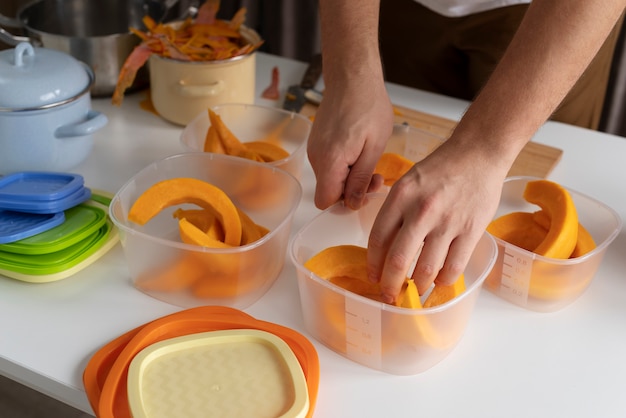
In a world where efficiency and sustainability are paramount, mastering the art of keeping your edibles fresh is more essential than ever. With a few ingenious food storage tips and a commitment to using proper storage methods, you can significantly extend food freshness and preserve meals longer. Whether you’re managing a bustling household or simply trying to reduce waste, a well-organized approach to food storage can transform your kitchen into a haven of efficiency and vitality.
Understanding the Science of Freshness
The longevity of your food hinges on controlling the factors that cause spoilage: moisture, oxygen, and temperature. At its core, food storage is a scientific endeavor. Foods naturally deteriorate over time due to oxidation and microbial activity. By reducing exposure to these elements, you create an environment where ingredients can remain at their peak for longer periods. Embracing proper storage methods is not merely about stashing leftovers away—it is a deliberate strategy that helps to extend food freshness while safeguarding nutritional value.
Essential Food Storage Tips for Every Kitchen
Adopting simple yet effective food storage tips can lead to a dramatic improvement in the longevity of your ingredients. Start with these foundational practices:
- Temperature Control: Refrigerators and freezers play a crucial role in slowing down spoilage. Ensure your fridge is set between 35°F and 38°F (1.7°C to 3.3°C) to keep perishables fresh without freezing them.
- Humidity Management: Different foods thrive in different moisture environments. Use the crisper drawers in your refrigerator to store fruits and vegetables separately, maintaining optimal humidity levels for each category.
- Airtight Containers: Investing in high-quality, airtight containers helps to preserve meals longer by reducing exposure to air. Whether using glass jars or BPA-free plastic, these containers are indispensable for locking in freshness.
- Labeling and Rotation: A systematic approach to labeling and using the “first in, first out” method ensures that older items are used before new ones, minimizing waste and maximizing freshness.
These food storage tips not only streamline your kitchen organization but also play a pivotal role in preserving the integrity of your ingredients.
Innovative Proper Storage Methods for Everyday Ingredients
Modern advancements in storage technology have made it easier than ever to extend food freshness. Here are several proper storage methods that can revolutionize how you keep your food:
Vacuum Sealing
Vacuum sealing is a game-changing technique that removes air from packaging, drastically reducing oxidation and slowing down spoilage. This method is particularly effective for preserving meats, cheeses, and even baked goods. By sealing food in an oxygen-deprived environment, you can preserve meals longer while maintaining flavor and texture.
Freezing in Portions
Freezing is one of the most reliable ways to extend the life of food, but the key to success lies in portioning. Divide large batches into meal-sized portions before freezing. This approach not only ensures even freezing and quicker thawing but also prevents waste by allowing you to defrost only what you need. As a result, you can enjoy quick nutritious options without compromising on quality.
Use of Specialized Storage Bags and Containers
Beyond traditional containers, specialized storage bags equipped with vacuum technology or designed to reduce moisture can be invaluable. These tools are especially useful for delicate items like berries and leafy greens. Their innovative design makes them one of the proper storage methods that help extend food freshness in a simple, efficient manner.
Controlled Atmosphere Storage
For those looking to push the boundaries of food preservation at home, controlled atmosphere storage (CAS) offers a high-tech solution. This method involves adjusting the composition of gases within the storage container, effectively slowing down the ripening process. While CAS is more common in commercial settings, scaled-down versions are becoming increasingly accessible to home cooks seeking to preserve meals longer.
The Impact on Health and Savings
Efficient food storage not only keeps your ingredients fresher for extended periods but also has significant benefits for your health and wallet. Consuming fresher food ensures that you receive the maximum nutritional benefits from your meals, as vitamins and minerals degrade over time. Additionally, when food stays fresh longer, you reduce waste and save money by avoiding unnecessary purchases and costly spoilage.
By implementing food storage tips that are both innovative and practical, you create a sustainable cycle that enhances the quality of your diet while also protecting your financial investment. The time and money saved through effective storage can be reinvested into other areas of your life, from exploring new recipes to upgrading your kitchen tools.
Practical Steps for Implementation
Taking control of your food storage strategy is easier than it might seem. Start by evaluating your current storage setup and identifying areas for improvement. Here are some actionable steps to consider:
- Audit Your Pantry: Remove all items and check expiration dates. Sort through your groceries, and donate or discard items that are no longer viable.
- Invest in Quality Containers: Replace flimsy packaging with durable, airtight containers. This not only protects your food but also makes your kitchen look more organized.
- Organize by Category: Group similar items together—dairy, grains, fruits, and vegetables—so that you can easily locate what you need and ensure that nothing is forgotten.
- Schedule Regular Check-Ups: Make it a habit to inspect your refrigerator and pantry regularly. This proactive approach helps you catch potential issues before they become major problems.
- Leverage Technology: Utilize modern tools such as vacuum sealers and smart storage bags to maximize the lifespan of your food. These proper storage methods are invaluable for busy households.
Embracing a Sustainable Lifestyle
Efficient food storage is a cornerstone of a sustainable lifestyle. By extending the life of your ingredients and reducing waste, you contribute to a healthier environment while enjoying the benefits of a well-organized kitchen. Every small step, from using proper storage methods to following food storage tips, plays a role in building a more sustainable future.
In a world where resources are increasingly precious, the ability to preserve meals longer is a skill that benefits not only you but also the planet. Adopting smart, efficient storage practices is a testament to your commitment to sustainability, making your everyday actions part of a larger, positive impact.
The secret to enjoying fresh, nutritious meals every day lies in the mastery of food storage. With the right strategies and tools, you can extend food freshness and preserve meals longer, ensuring that every bite is as delicious and healthy as the day it was prepared. Embrace these food storage tips and proper storage methods to create a more efficient, sustainable kitchen that benefits both your health and your wallet.
By staying proactive and investing in modern storage solutions, you unlock the potential to transform your culinary experience. The journey to efficient food preservation is not just about saving time and money—it’s about enhancing your overall quality of life. With every well-stored ingredient and every perfectly preserved meal, you pave the way for a more organized, sustainable, and flavorful future. Enjoy the art of food storage, and relish the benefits of a kitchen that truly works for you.


More Stories
The Secret Flavors of Grandma’s Kitchen: Timeless Recipes You Can’t Resist
Flavor Odyssey: A Global Tour of Culinary Delights
The Bite-Sized Evolution: Food Trends Shaping 2024